
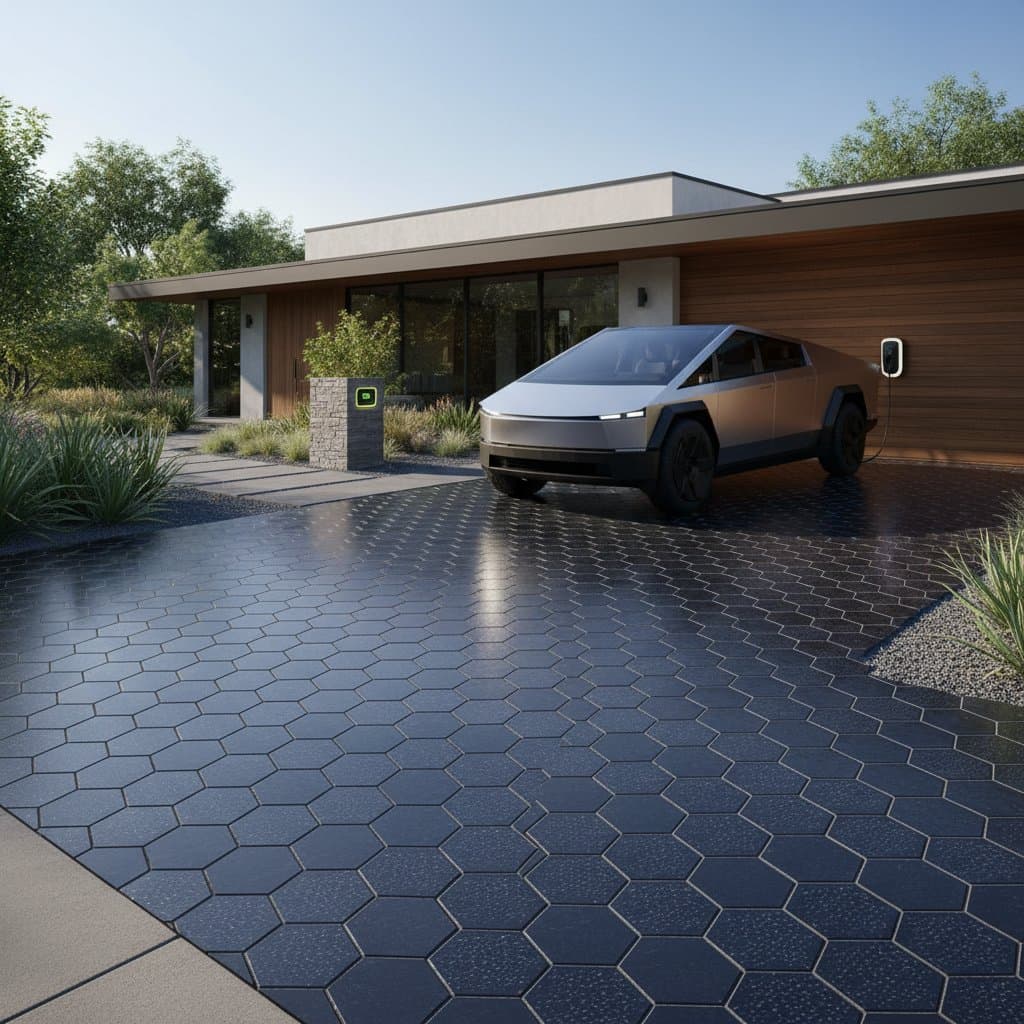
Solar Pavers: Driveways That Generate and Illuminate
Solar pavers integrate photovoltaic cells into durable concrete or composite units. These paving stones capture sunlight to produce electricity while providing a sturdy surface for driveways, patios, and walkways. Visually akin to traditional pavers, they enable homeowners to power landscape lighting, store energy in batteries, or contribute to household electrical systems.
Advantages and Drawbacks
Advantages
- Produce renewable electricity directly from paved areas
- Illuminate paths and driveways without extensive underground wiring
- Decrease electricity bills over time through energy savings
- Enhance outdoor spaces with a contemporary, innovative aesthetic
- Provide backup power options during grid disruptions
Drawbacks
- Involve higher initial expenses than conventional paving materials
- Experience reduced performance in shaded conditions or when soiled
- Demand more intricate setup processes
- Incorporate sensitive electrical elements that require secure, weatherproof seals
- Entail costly replacements for individual damaged units
Pricing Considerations
Materials for solar pavers generally range from $20 to $35 per square foot. Professional installation brings the total to $40 to $65 per square foot, influenced by design complexity, electrical routing, and integration with lighting or storage solutions.
Expenses increase for intricate layouts, heavy-duty variants suited for vehicular use, or additions like battery banks. For instance, a basic walkway focused on decorative lighting incurs lower costs than a comprehensive driveway designed for both structural support and substantial energy output.
Durability and Upkeep
Quality solar pavers endure 20 to 25 years with appropriate placement and care. While the outer concrete layer may persist longer, the embedded solar cells and connections gradually diminish in output.
Perform cleaning two to four times annually with a gentle soap solution and soft brush. Steer clear of abrasive cleaners that might etch the protective covering over the cells. Routinely inspect for fractures, unstable electrical links, or inadequate drainage that could expose components to standing water.
Essential Specifications
Select solar pavers by evaluating these specifications:
- Load capacity: Verify ratings that accommodate vehicles, beyond mere pedestrian use.
- Ingress protection rating: Opt for IP67 or superior levels to ensure resistance to dust and submersion.
- Slip resistance: Prioritize surfaces with textured finishes to minimize risks on wet pavement.
- Power generation: Expect 5 to 20 watts per unit, depending on size and technology.
- Light output tone: Align LED color temperatures with surrounding lights for uniform illumination.
Preparation Steps
Establish a firm foundation with effective drainage. Dig to accommodate the depth of compacted gravel base, a sand bedding layer, and the paver thickness itself. Incorporate a slight gradient of one-quarter inch per foot, directing water away from buildings.
Consult local regulations for electrical integrations. Engage a certified electrician for connections to home systems, including inverters. Always contact utility services to mark underground lines prior to excavation.
Installation Process
- Design the arrangement, including patterns and electrical pathways.
- Dig and layer the base material in 4- to 6-inch increments, compacting each thoroughly.
- Spread and level a 1-inch bed of sand or fine aggregate.
- Place pavers starting from a reference line, ensuring uniform spacing in joints.
- Link each unit's cables to the main harness or controller.
- Secure perimeter edges with restraints to maintain stability.
- Apply polymeric sand or fine gravel to fill gaps.
- Verify functionality of lights and energy production after setup but before final sweeping.
Design Variations
Available in square, rectangular, or hexagonal forms, solar pavers offer flexibility in layout. Many installations combine them with non-solar pavers to accentuate edges or specific zones, balancing cost and functionality. Hybrid approaches pair light-emitting pavers with dedicated solar chargers, preserving visual harmony while optimizing expenses.
Handling Installation: DIY Versus Professional
Experienced individuals may manage modest projects like garden paths using self-contained, plug-and-play models. Larger endeavors, such as driveways linked to residential power, necessitate expert involvement. Professionals ensure compliance with permits, selection of load-appropriate materials, and safe electrical configurations to avoid hazards from moisture or overloads.
Troubleshooting Issues
Common Problems:
- Inadequate drainage causing corrosion
- Dislodged electrical joints
- Fractured protective covers under weight
- Malfunctioning inverters or adapters
Solutions:
- Adjust gradients and clear runoff channels
- Renew affected cables or fittings
- Replace isolated faulty pavers without overhauling the entire area
- Test system voltages and replace fuses as needed
Climate-Specific Guidance
For areas with freezing temperatures, select pavers engineered for freeze-thaw cycles. Emphasize thorough base preparation and drainage to avert uplift from ice expansion. In intense sunlight or heat, prefer lighter hues to mitigate thermal stress and sustain solar efficiency.
Viable Alternatives
When solar pavers strain budgets, explore standalone solar lanterns for pathways or combine rooftop solar arrays with ordinary pavers. Permeable paving options address water management without energy production capabilities.
Realizing Sustainable Paving
Solar pavers elevate everyday surfaces into efficient energy contributors. Ideal for those prioritizing aesthetic advancement, environmental responsibility, and enduring financial benefits, they reward strategic implementation. Begin with a targeted application, such as a patio extension, to assess performance before expanding to broader areas.