#construction

Articles tagged with construction

Featured image for IoT Sensors Transform Concrete Into Intelligent Systems

IoT Sensors Transform Concrete Into Intelligent Systems

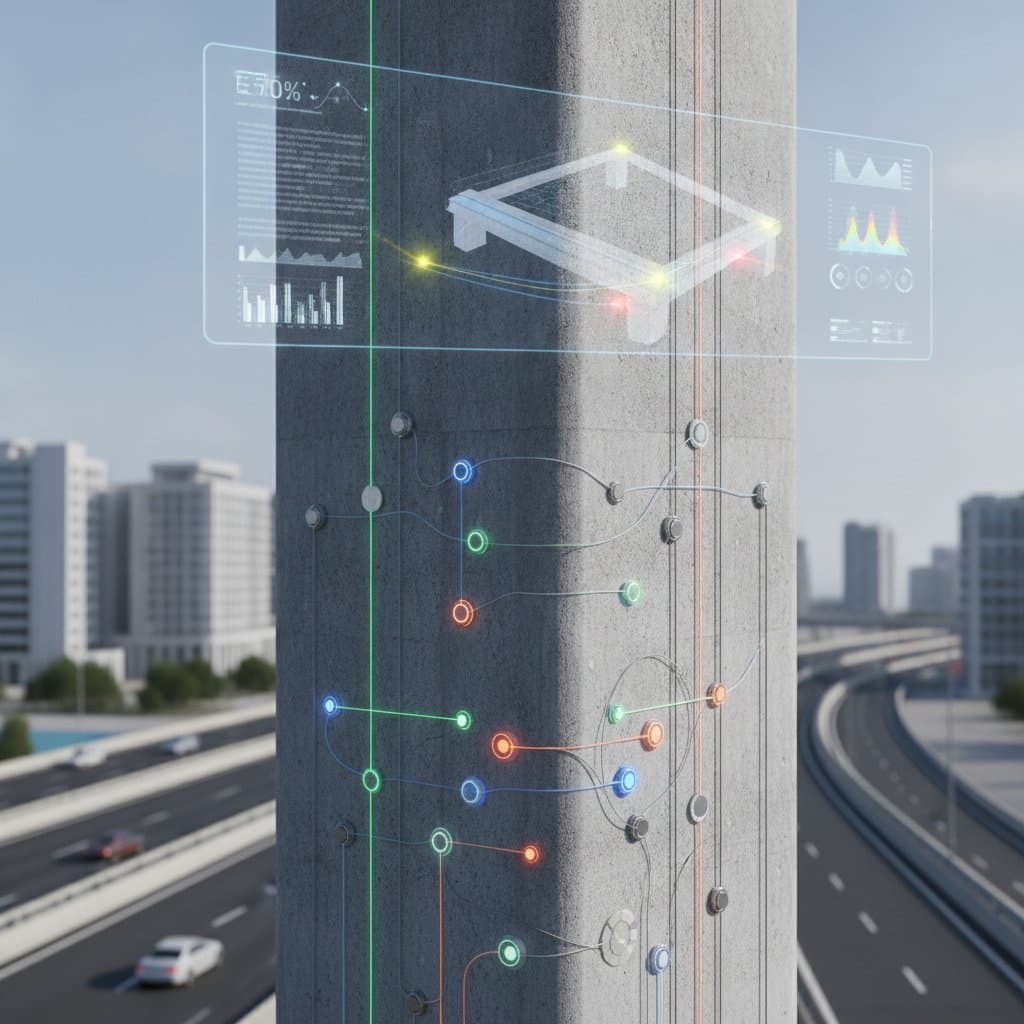
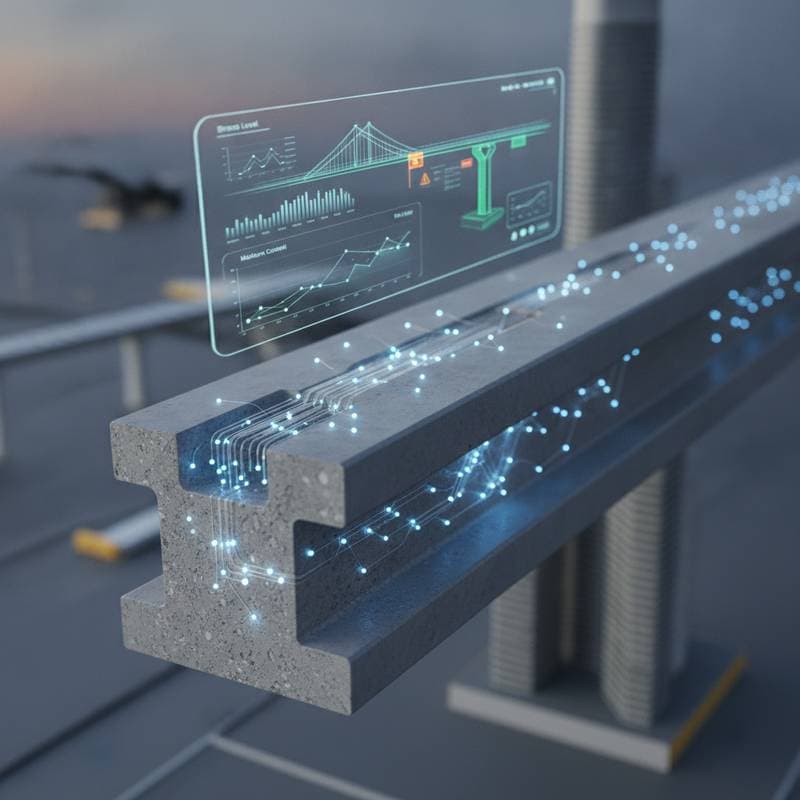
Embedding IoT sensors in concrete changes static structures into dynamic systems that track curing, stress, and corrosion in real time. This approach supports proactive maintenance, improves safety, and prolongs the life of infrastructure. Builders gain stronger, more sustainable projects through smart planning and data analysis, while minimizing costs and uncertainties in construction.

5 min read
Featured image for 3D-Printed Homes Built in Days, Not Weeks

3D-Printed Homes Built in Days, Not Weeks

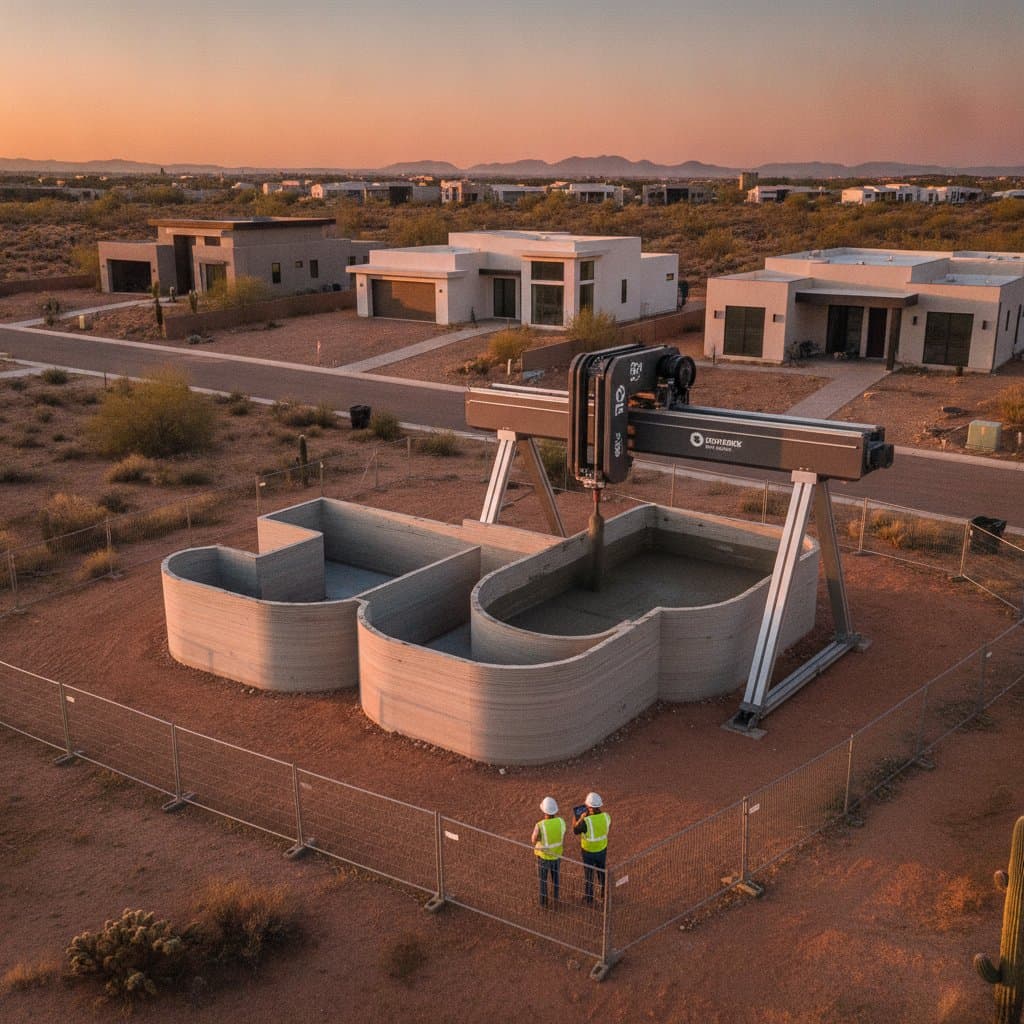
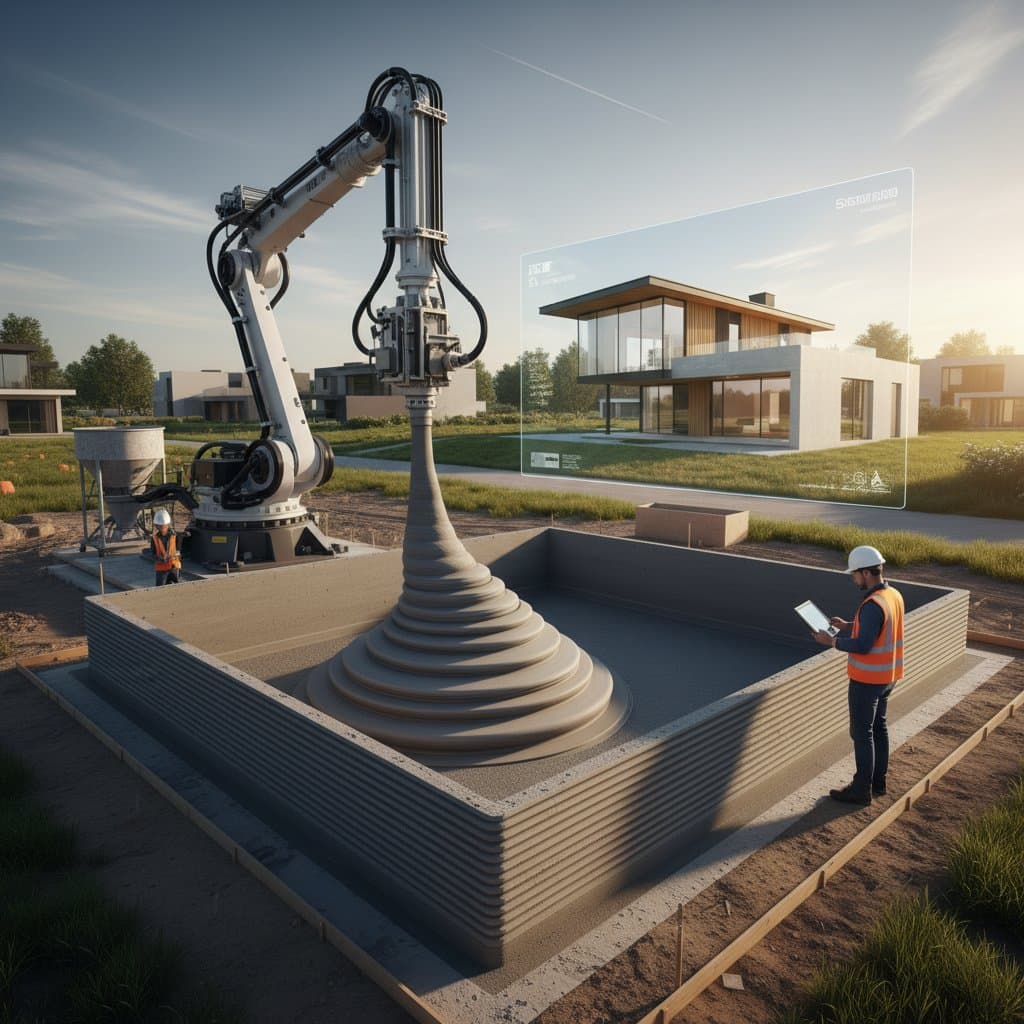
By 2026, 3D-printed concrete homes redefine suburban development through accelerated construction, labor efficiencies, and precise sustainability. Robotic systems craft resilient, tailored walls, fostering accessible housing. Despite hurdles in regulations and detailing, this innovation heralds a streamlined era for residential building.

5 min read
Featured image for Smart Pavers Catch Driveway Problems Before They Crack

Smart Pavers Catch Driveway Problems Before They Crack

IoT smart pavers elevate standard driveways into intelligent systems that continuously track moisture, pressure, and temperature levels. These innovations detect potential cracks, frost heave, or drainage issues before they worsen, thereby extending the surface's lifespan and minimizing repair expenses. Despite a higher initial investment, the predictive analytics, seamless smart home connectivity, and robust construction position them as a forward-thinking choice for discerning homeowners.

6 min read
Featured image for 3D-Printed Foundations Cut Build Times 50-70%

3D-Printed Foundations Cut Build Times 50-70%

3D-printed foundations transform the construction industry by reducing build times up to 70 percent, minimizing waste, and lowering overall costs. Robotic systems apply specialized concrete with exact precision to create strong, compliant structures that require far less manual labor. This emerging technology, projected to become widespread by 2026, enhances construction speed, promotes sustainability, and improves structural integrity.

6 min read
Featured image for Zero-Cement Bricks Cut Carbon With Same Strength

Zero-Cement Bricks Cut Carbon With Same Strength

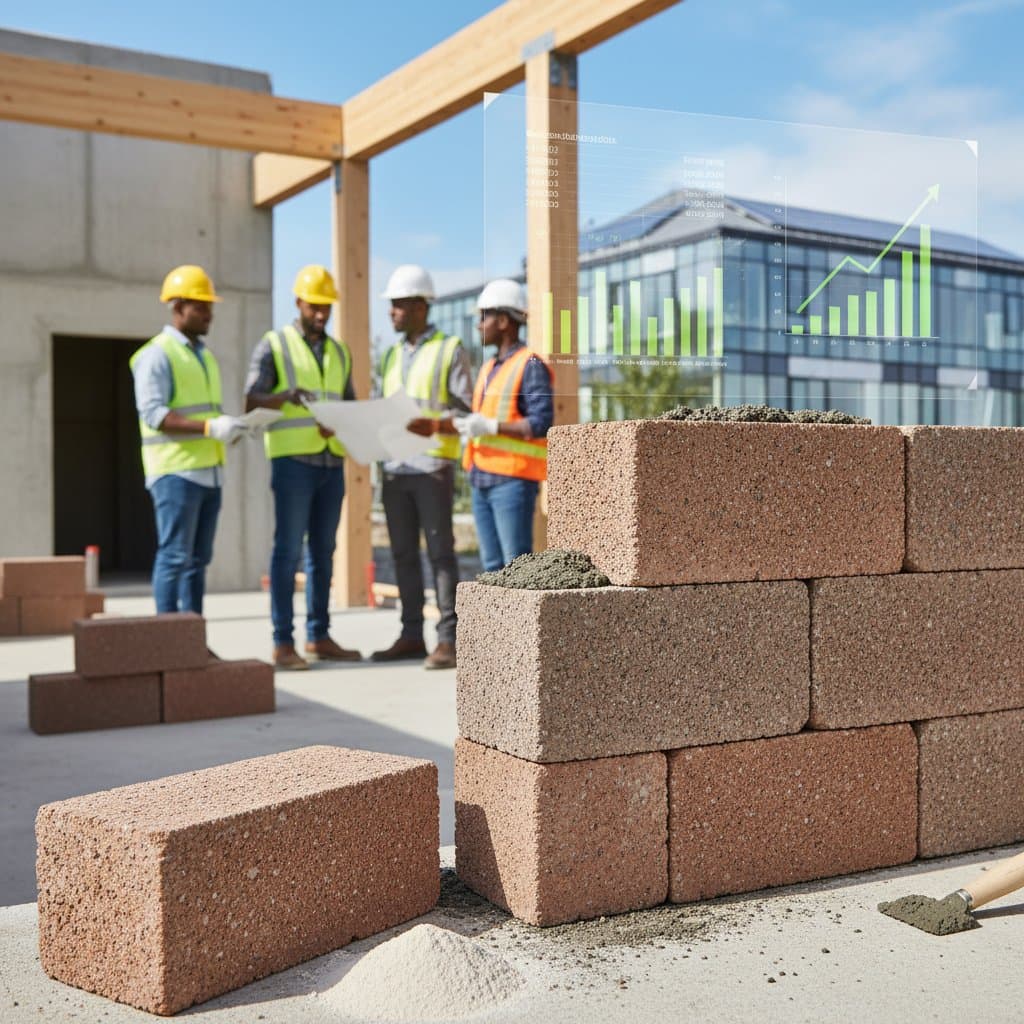
Zero-cement bricks, known as geopolymers, substitute Portland cement with industrial byproducts such as fly ash and slag. This innovation reduces carbon emissions significantly while providing comparable strength and durability to conventional materials. With potential lifespans exceeding 75 years, these bricks address supply and mixing hurdles, positioning them for widespread adoption in sustainable building by 2026.

5 min read
Featured image for 3D-Printed Homes Cut Build Time to Days Not Weeks

3D-Printed Homes Cut Build Time to Days Not Weeks

By 2026, 3D-printed concrete homes stand poised to redefine suburban construction through accelerated timelines, reduced waste, and creative architectural possibilities. Robotic printers layer concrete with precision, delivering robust, customizable structures that address labor shortages and environmental concerns. Although challenges like regulatory hurdles and skill gaps persist, this innovation promises to reshape housing affordability and community landscapes.

5 min read
Featured image for 3D Printing Cuts Foundation Time to 4-6 Days

3D Printing Cuts Foundation Time to 4-6 Days

3D printing revolutionizes foundation construction by reducing build times by up to 60 percent, while improving precision, sustainability, and cost savings. This detailed guide examines necessary equipment, materials, and regulatory requirements, along with a step-by-step process, troubleshooting advice, and maintenance strategies to assist builders in determining if this advanced method suits their upcoming projects.

5 min read
Featured image for 3D Printed Foundations: Speed vs Structural Reality

3D Printed Foundations: Speed vs Structural Reality

3D-printed concrete foundations promise speed and precision, completing in just 48 hours—but success depends on rigorous inspection, moisture control, and calibration. This guide reveals how to spot red flags early, manage costs, and coordinate teams so rapid construction doesn’t compromise structural integrity, durability, or long-term performance.

8 min read
Featured image for Recycled Glass Bricks: Light, Strength, Zero Waste

Recycled Glass Bricks: Light, Strength, Zero Waste

Recycled glass bricks revolutionize sustainable building by integrating durability, light diffusion, and environmental benefits. Formed from melted waste glass, they provide a non-porous, translucent option for partitions and facades. Builders and homeowners can use them to create efficient, visually appealing structures that minimize environmental impact.

6 min read
Featured image for Why 3D-Printed Foundations Cut Build Time by 60%

Why 3D-Printed Foundations Cut Build Time by 60%

3D-printed foundations transform construction practices by substituting labor-intensive concrete pours with precise robotic printing. Robotic systems and specialized fast-setting concrete enable simultaneous form creation and base building, achieving 60 percent time savings, decreased material waste, and reduced overall expenses. Understand the role of digital precision, uninterrupted operations, and advanced materials in enhancing the pace and reliability of contemporary construction.

6 min read
Featured image for 3D-Printed Foundations Cut Build Time 60% by 2026

3D-Printed Foundations Cut Build Time 60% by 2026

By 2026, 3D-printed foundations will accelerate construction by up to 60 percent compared to traditional methods, lowering costs and enhancing accuracy. Effective outcomes require thorough soil preparation, proper drainage, and seamless collaboration among experts. Although the technology offers remarkable speed and efficiency, challenges like inadequate curing or imprecise calibration can undermine benefits. This guide details advantages, potential pitfalls, expenses, and proven practices for durable results.

6 min read
Featured image for IoT Sensors Detect Foundation Movement at 0.01 Inch

IoT Sensors Detect Foundation Movement at 0.01 Inch

Advanced IoT sensors monitor foundation shifts as minute as 0.01 inches, offering early warnings that avert expensive repairs. This comprehensive guide details the technology behind these systems, key measurements, installation essentials, associated costs, and ongoing maintenance strategies. Discover the benefits of precise, continuous monitoring combined with expert calibration for enduring structural safety.

7 min read
Featured image for Smart Sensors Catch Foundation Cracks You Can't See

Smart Sensors Catch Foundation Cracks You Can't See

Smart foundations integrate engineering with sensors to monitor soil shifts and seismic activity before damage appears. These systems deliver timely alerts, support maintenance decisions, and secure property value, provided they include effective drainage, precise calibration, and regular maintenance. Technology boosts vigilance, not invulnerability, so proactive installation and care form the true defense for structures.

7 min read
Featured image for 3D Printed Concrete Homes Coming in Two Years

3D Printed Concrete Homes Coming in Two Years

3D printed concrete reshapes residential construction through automated layering of cement, enabling homes to rise in days rather than weeks. This method cuts expenses, minimizes waste, and enhances sustainability. As technology advances, expect widespread adoption of durable, affordable housing by 2026, reshaping global communities.

7 min read
Featured image for Smart Sensors Catch Foundation Damage Early

Smart Sensors Catch Foundation Damage Early

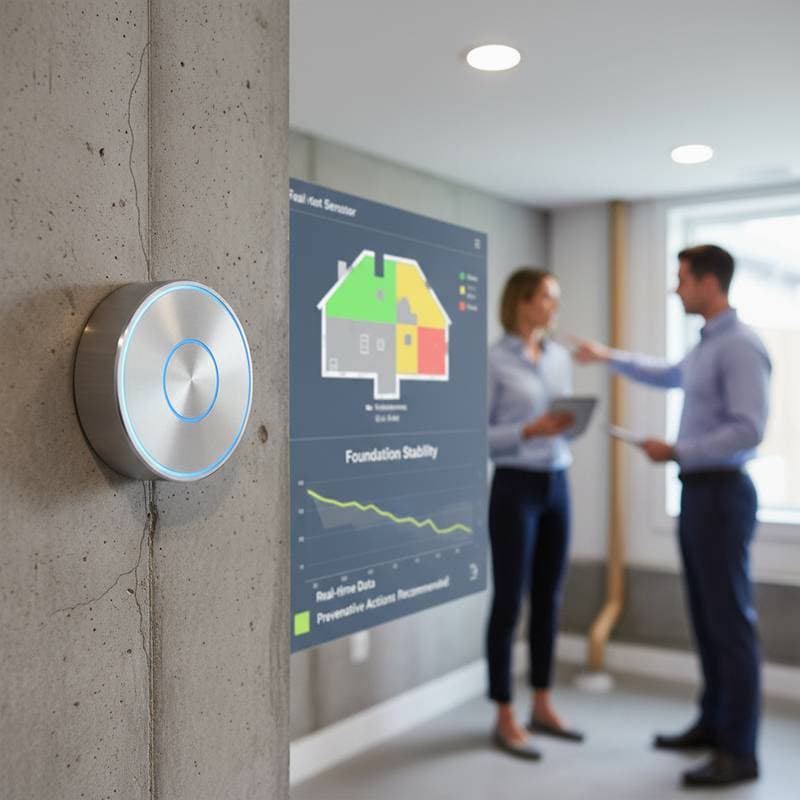
Smart foundation sensors provide ongoing surveillance of moisture, pressure, and movement to identify minor structural changes before they escalate into major issues. Through strategic planning, installation, and upkeep, these tools convert potential hazards into manageable alerts. This guide covers prevention of $50,000 repairs, DIY versus professional options, and the best sensor types for various foundations.

6 min read
Featured image for Smart Concrete Sensors Catch Cracks Before They Spread

Smart Concrete Sensors Catch Cracks Before They Spread

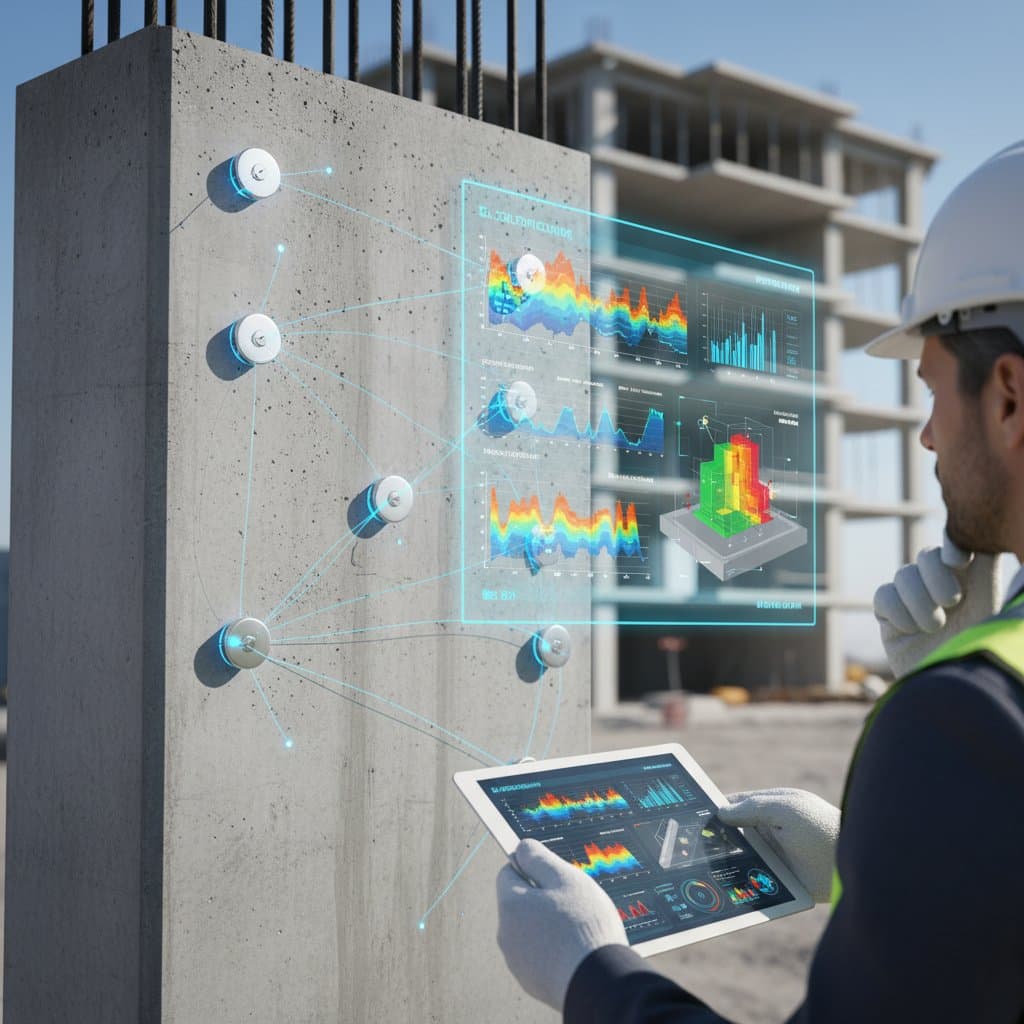
Smart concrete integrates IoT sensors to track strain, moisture, and temperature within structures, providing real-time data on potential issues. This approach enables early detection of problems, minimizes repair costs, and prolongs the lifespan of bridges, buildings, and other infrastructure. Despite the higher initial investment, the long-term advantages in safety, efficiency, and informed design decisions position it as a key advancement in construction technology.

6 min read
Featured image for Smart Sensors That Catch Concrete Damage Early

Smart Sensors That Catch Concrete Damage Early

Concrete appears durable, but internal changes like moisture shifts and corrosion can weaken it over time. IoT smart sensors provide real-time data on these hidden threats, allowing engineers to implement predictive maintenance that enhances safety, cuts costs, and prolongs infrastructure durability.

5 min read