
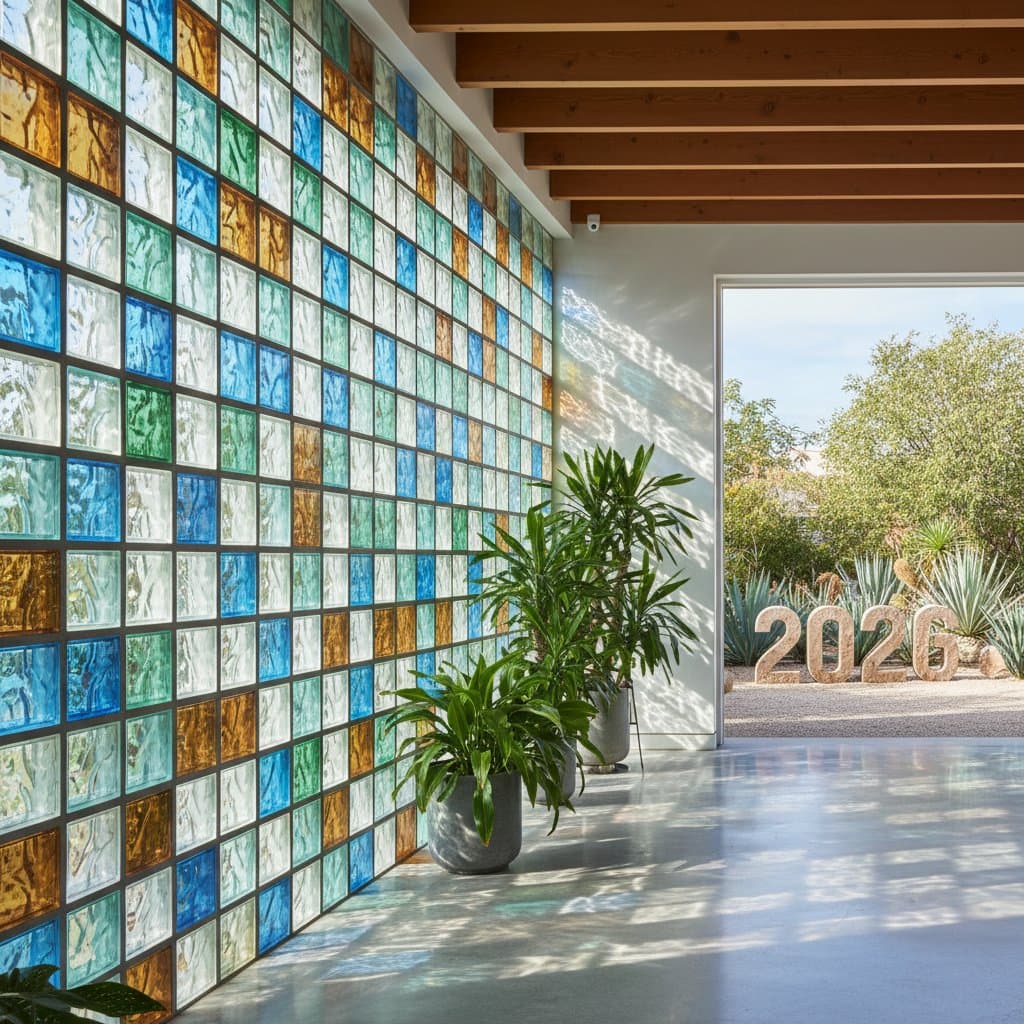
Recycled Glass Masonry Diverts Waste Into Durable Walls
Recycled glass masonry converts discarded glass into bricks, blocks, and panels that form walls, facades, and decorative features. This approach diverts material from landfills while delivering a durable surface that transmits light and adds visual texture. Builders and homeowners select it for projects that demand both structural performance and distinctive appearance.
The material matches the strength of traditional masonry yet introduces color variations and light effects that clay or concrete cannot provide. Architects incorporate it into modern residences and commercial spaces to meet sustainability targets without sacrificing design quality.
Understanding Material and Installation Costs
Material prices for recycled glass units generally range from 10 to 25 dollars per square foot. Installed costs, which cover labor, mortar, and preparation, typically fall between 25 and 60 dollars per square foot. Several factors influence the final price.
- Polished or custom-colored units command higher rates than standard clear or frosted finishes.
- Complex patterns or curved layouts increase labor time.
- Tight access points or retrofit conditions extend preparation work.
- Structural applications may require additional steel or aluminum framing.
Key Specifications to Verify
Buyers should confirm compressive strength of at least 2,500 psi for non-load-bearing applications and higher values for structural walls. Standard block thickness measures 3 to 4 inches, while veneer panels are often 1 inch thick. Many products carry a fire-resistance rating of up to 45 minutes.
Insulating performance appears in U-values between 0.5 and 0.7 for hollow-core units. Shower partitions and interior screens require tempered or laminated glass for safety. Pigments and additives must demonstrate resistance to ultraviolet fading when the installation faces direct sunlight.
Step-by-Step Installation Process
Installation follows the same sequence used for conventional block systems, with added attention to alignment and surface protection. Begin by marking control lines on a prepared base. Compact a gravel or crushed-stone foundation to the required depth, then set the first course in mortar while checking level and plumb.
Continue stacking units with consistent quarter-inch joints. Insert stainless steel reinforcement where drawings specify. Tool joints smooth to improve water resistance, and remove excess mortar promptly to prevent staining on glass faces. Finish by installing edge caps and allowing proper curing time before exposure to weather.
Large structural spans may use engineered framing or silicone joints instead of traditional mortar.
Choosing Between DIY and Professional Help
Small garden walls, accent panels, and interior partitions on stable bases suit experienced do-it-yourself builders. Thin veneer sheets or preassembled panels further simplify these projects. Professional installation becomes necessary when walls carry loads, tie into existing framing, or include curves and lighting elements.
Local codes may require engineered drawings and inspections for structural glass applications. Skilled masons understand how to handle glass safely, maintain uniform joints, and avoid stress concentrations that lead to cracking.
Regional Performance and Climate Adjustments
Recycled glass masonry functions reliably across most climates when proper details are applied. In cold regions, select units rated for freeze-thaw exposure and keep mortar joints sealed. Hot desert installations benefit from light-colored glass and flexible joints that accommodate expansion.
Coastal projects call for stainless steel reinforcement to resist salt corrosion. High-sun exposures perform better with low-reflective or frosted surfaces that reduce glare. Wet climates require weep holes and drainage channels behind exterior walls to manage moisture.
Planning Your Next Sustainable Project
Define the role of glass masonry in your design, whether as an accent wall, shower enclosure, garden feature, or full facade. Measure the area accurately and prepare a simple layout sketch. Contact regional suppliers to review available recycled content and color options.
Verify utility locations and permit requirements before starting work. When hiring a contractor, request examples of prior glass masonry work and confirm that sealants and mortar types match manufacturer guidelines. This preparation helps deliver a finished installation that combines lasting durability with striking visual appeal.